- Character conceptCharacter kit
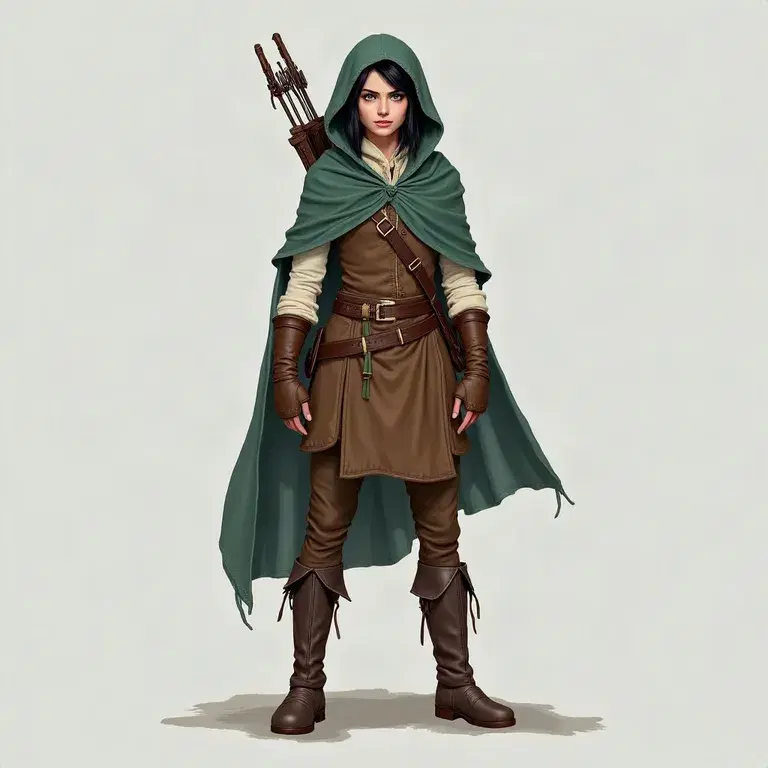
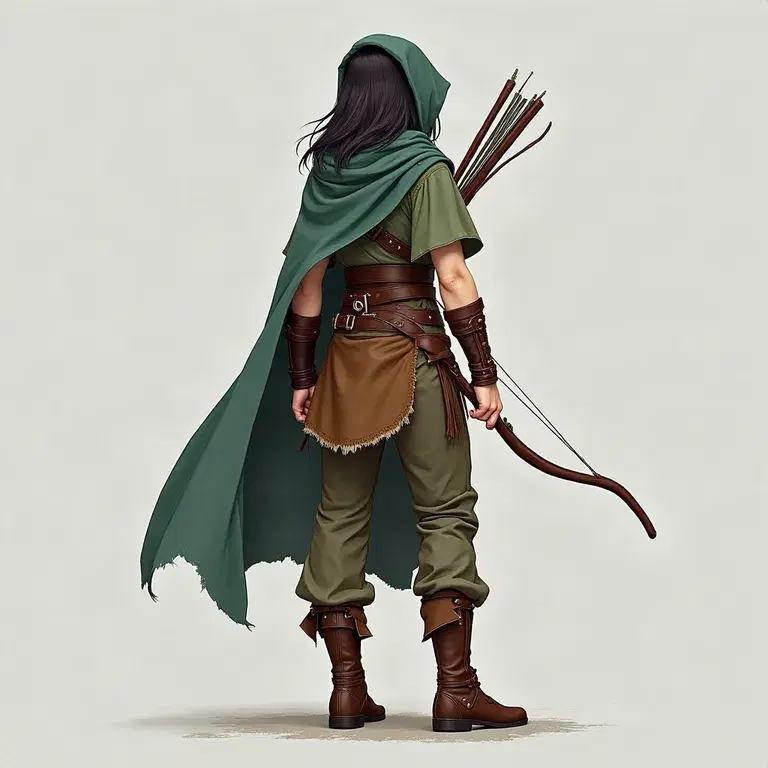
- TurnaroundCharacter kit
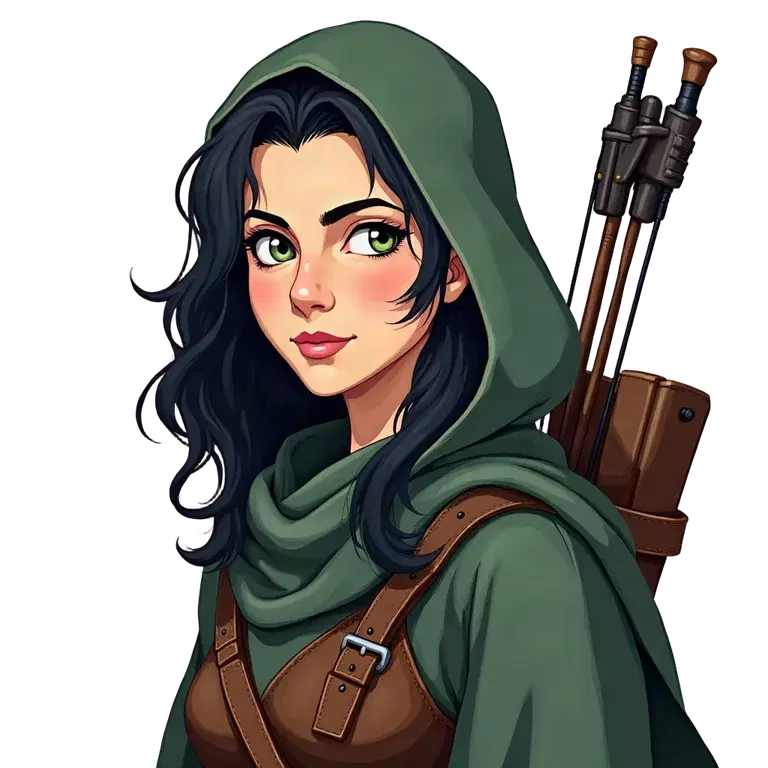
- Icon, cut outCharacter kit
- Game-asset artStyle Finder
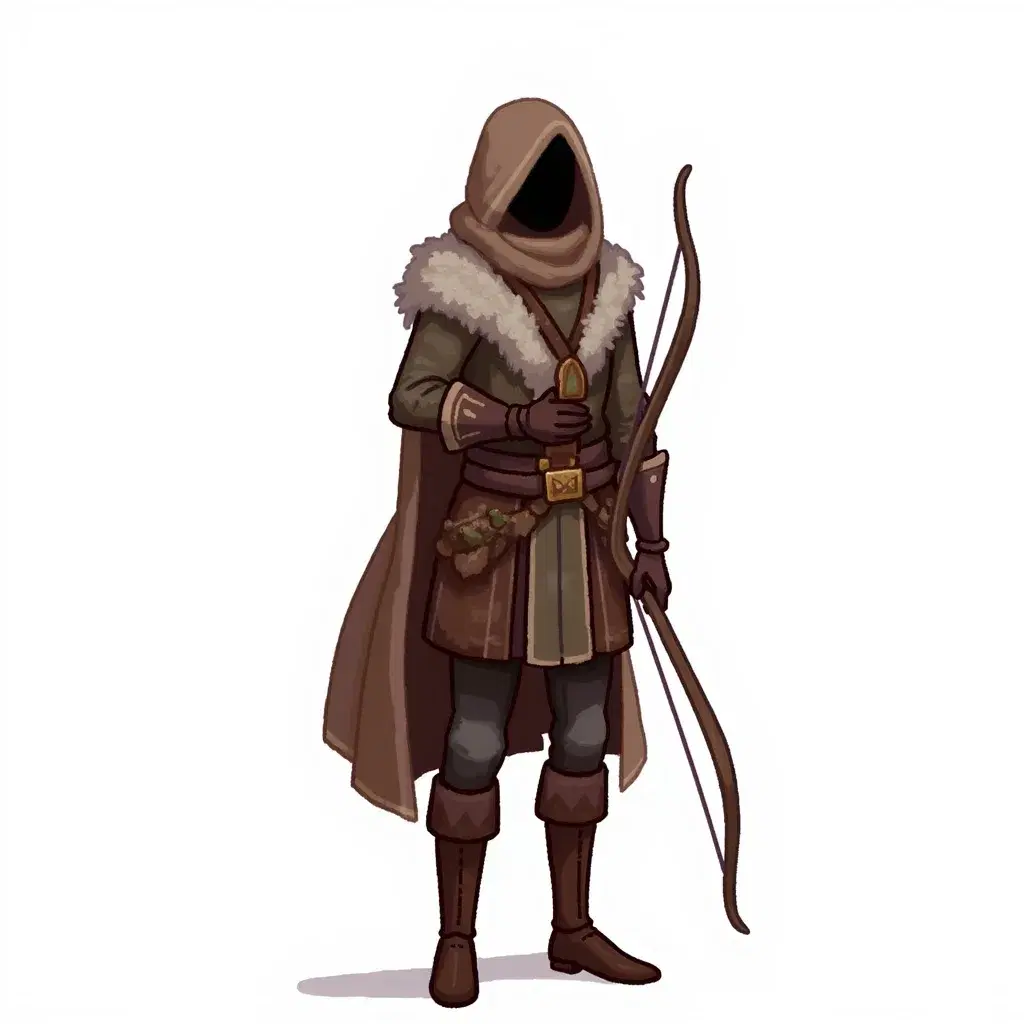
- Pixel spriteStyle Finder
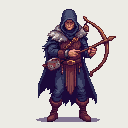
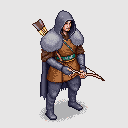
- Isometric spriteStyle Finder
- VehicleStyle Match
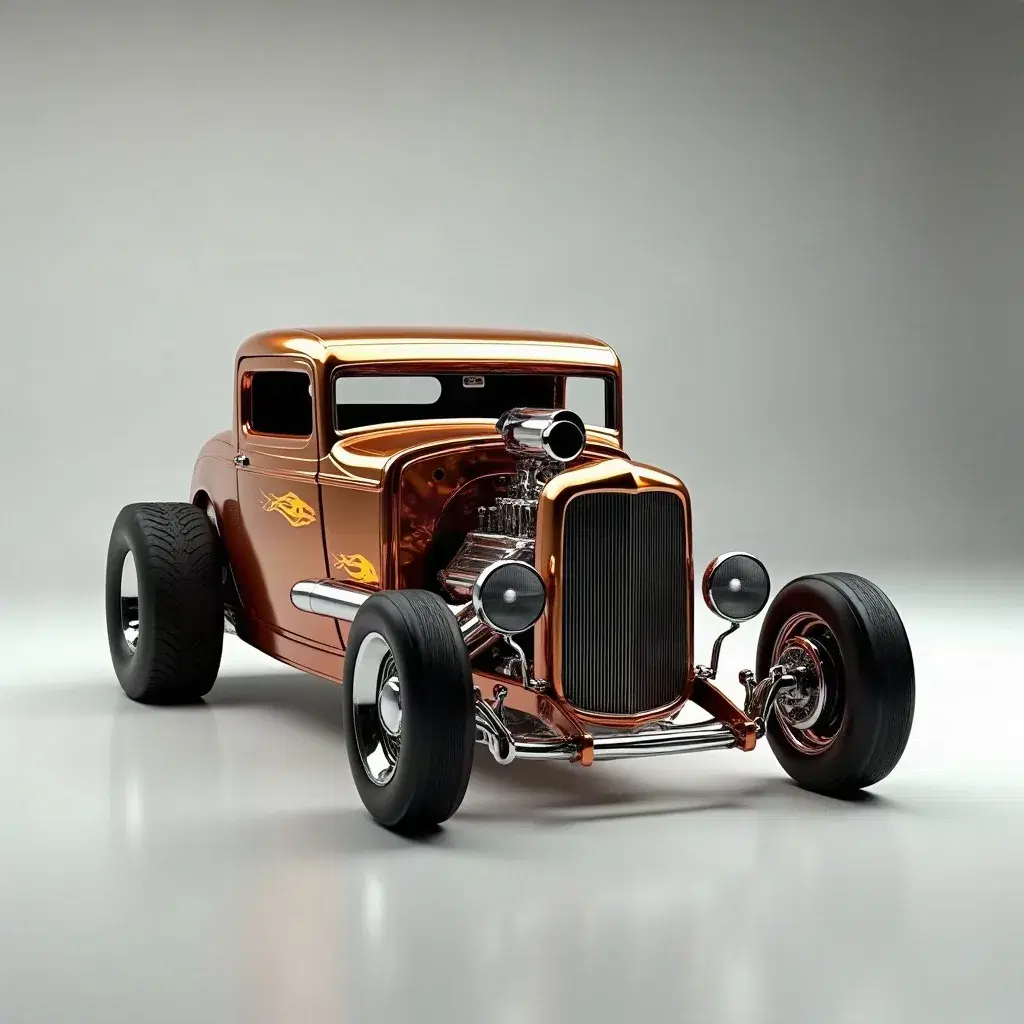
- 3D modelStyle Match
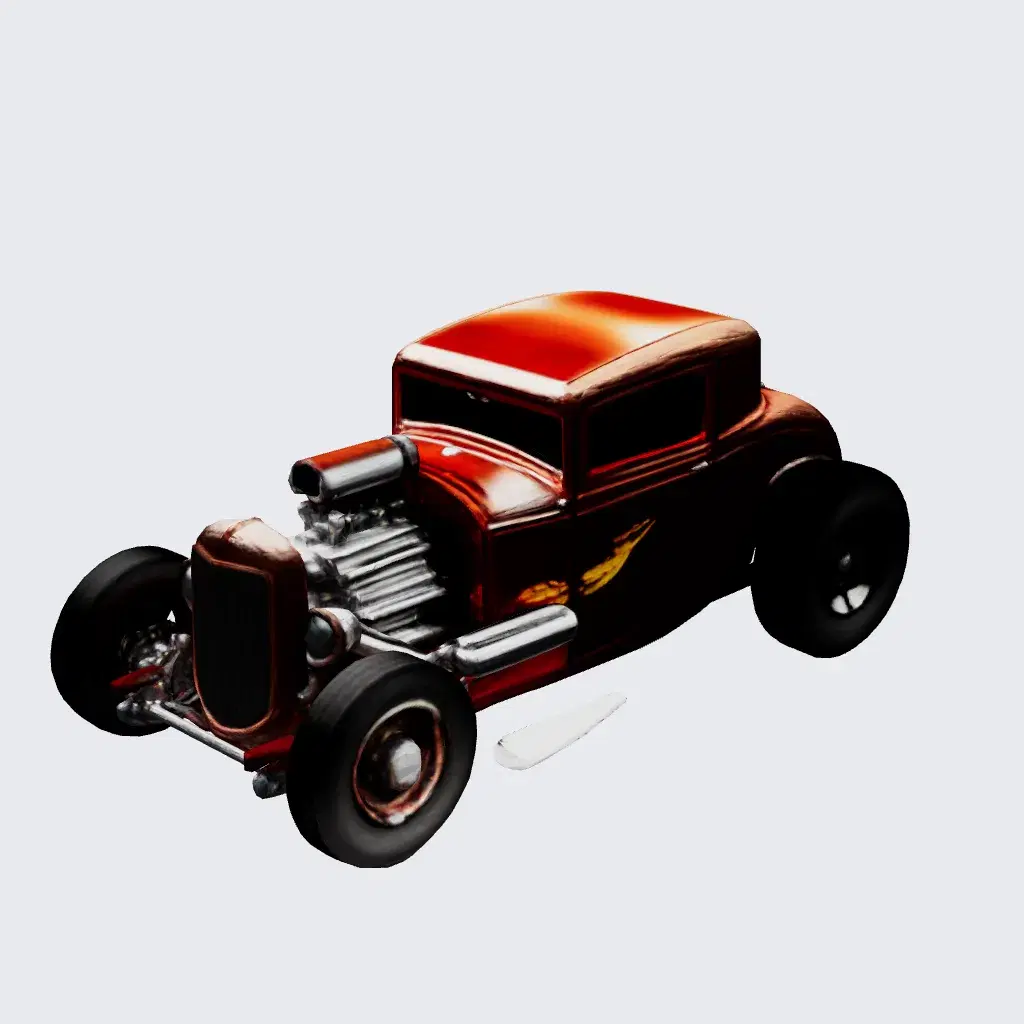
- Matched styleStyle Match
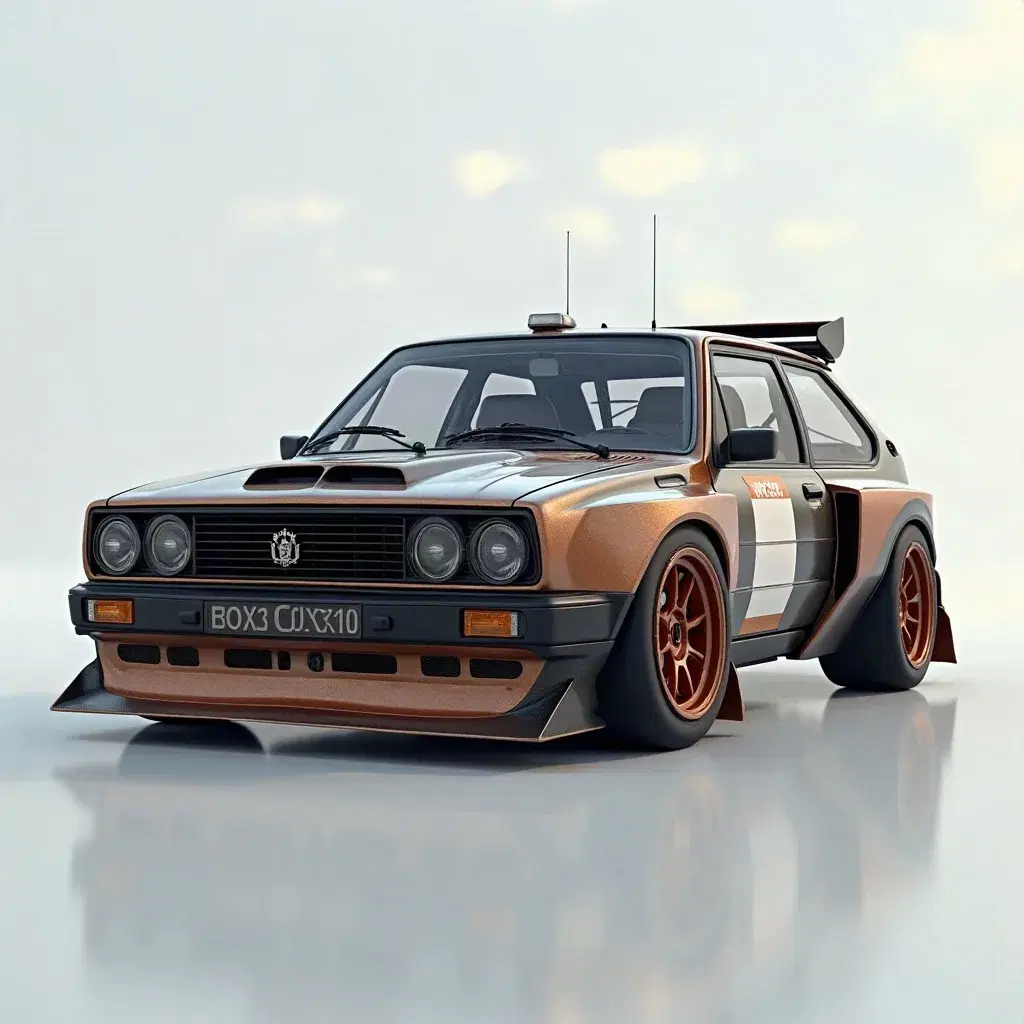
- Matched styleStyle Match

- Character concept3.25 crFLUX.1 [dev]
- Pixel sprite1.30 crRetro Diffusion
- 3D mesh19.50 crTripo
- Style read from a picture0.12 crClaude
- Rig16.25 crTripo
- Isometric sprite3.31 crRetro Diffusion
- Vehicle mesh10.40 crTrellis
- Voice line0.29 crElevenLabs
- Prompt per vehicle0.04 crClaude
- Walk animation6.50 crTripo
- Icon cut-out0.65 crBiRefNet
- Line written and spoken0.17 crClaude, ElevenLabs
- Vehicle image3.25 crFLUX.1 [dev]
Look around before you sign up.
Everything here opens without an account. When you’re ready to make something, there’s nothing to subscribe to and no seat to buy.
- Discover
Real outputs, and how they were made
Things made on Sushibelt, each with the workflow that made it, so you can see how before you sign up.
See real outputs → - Models
Compare before you spend
What each model makes, what a step costs, and whether you may sell what it makes — before you pick one.
Browse the models → - Pay per step
Nothing to subscribe to
When your invite comes, your team starts with 250 free credits. After that, credits from $5, and every run shows its price before it starts. For now, steps on Tripo, Meshy or ElevenLabs run on your own key.
See one run’s bill →
Say what you want.
It sets up the steps.
Not sure which model to pick, or how to wire one step into the next? Tell the assistant what you need, in your own words. It works out the steps, picks models we have actually tested, and tells you what a run will cost.
- Nothing runs until you press Run. It sets things up and offers. You decide.
- You see the price first. An estimate before the run, the real charge after.
- It remembers your house style. Only if you ask it to — and you can see and delete what it keeps.
- You can take over at any point. What it sets up is an ordinary workflow: open it, change it, or run it again.
Working in Claude Code or Cursor? Your agent can use Sushibelt’s tools over MCP — new in October, and no outside agent has connected yet. For developers
Request an invite→Describe what to make, or attach a picture to match. Each request becomes its own agent; nothing runs until you say so.
Describe the asset you want and I’ll suggest a workflow.
This assistant is an AI model. Check what it suggests before you run it.
A replay of a real exchange. Someone asked for a low-poly fox knight sprite on a transparent background. The assistant read the brief, set up four steps — the description, making the picture, removing the background and showing the result — saved them, and offered to run them for about 3.3 credits. It ran only when the person pressed Run. The conversation itself cost 9.51 credits.
Replayed from a real exchange on our test build, 5 Oct 2026. Asking cost 9.51 credits; the run it set up cost 3.3. The picture it made isn’t shown — that build didn’t keep it.
Open it up. Change any step.
Whatever the assistant sets up, or you wire yourself, is a workflow you can open. The brief goes through a model that draws, one that turns the drawing into a 3D model, one that rigs it and one that speaks — each one you picked — and comes back as a concept, a mesh, a texture and a line of dialogue that belong to the same character.
Change the model at any step and the rest carries on unchanged. Compare five on the same words before you settle on one.
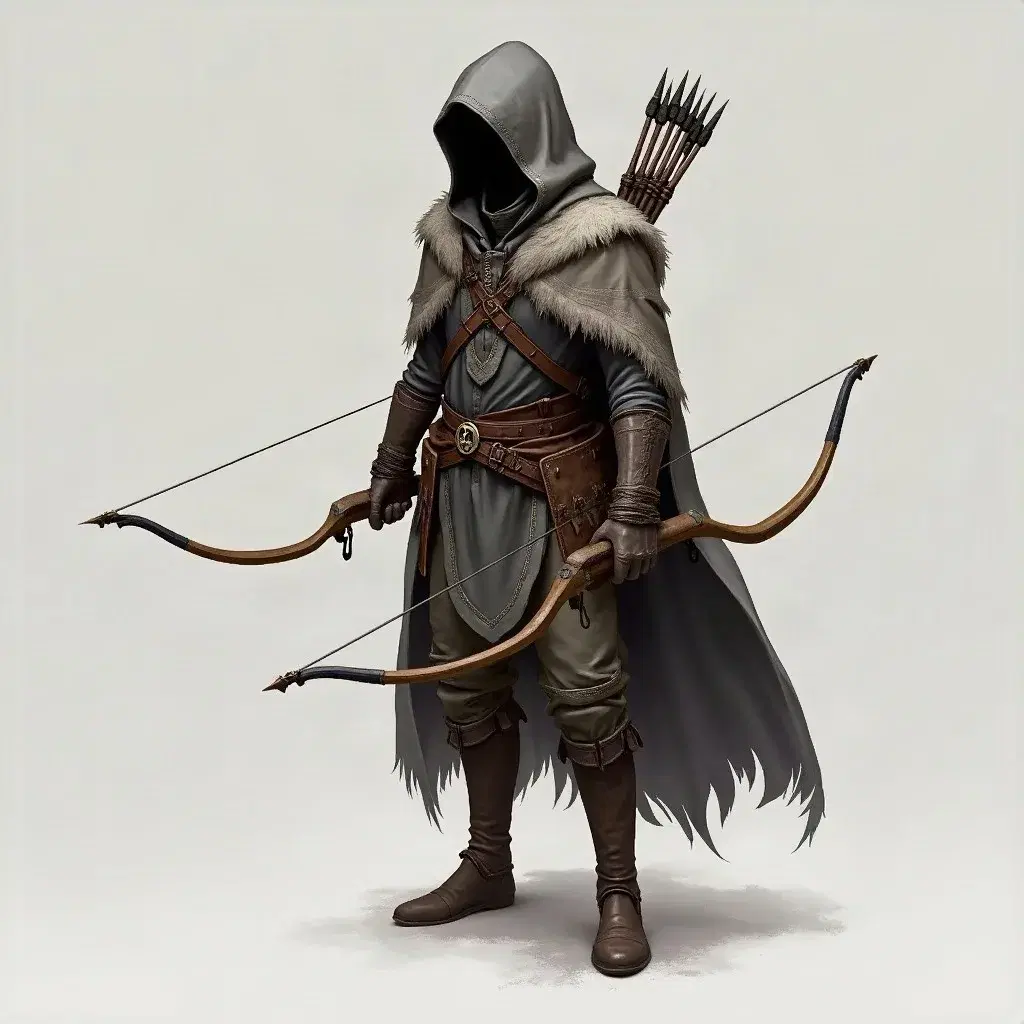
see a workflow end to end →“A hooded ranger with a longbow and a wolf-pelt cloak, full body, single character, game asset, neutral background.”
stays the same every time
A picture, then a 3D model of it
using FLUX.1 [dev] · Fal
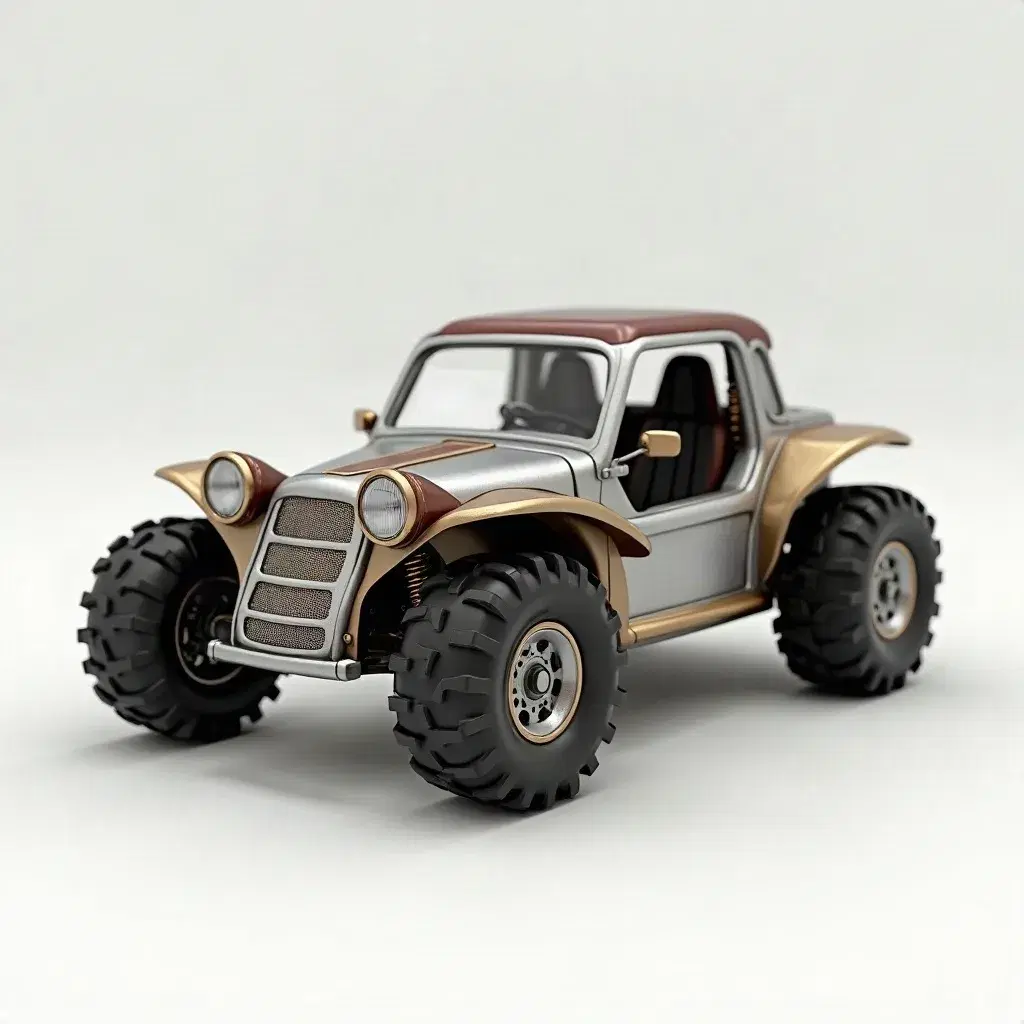
Your picture
A toy buggy. Looked at once — 0.12 credits.
- Rally hatchback13.69 cr
- Panel van13.69 cr
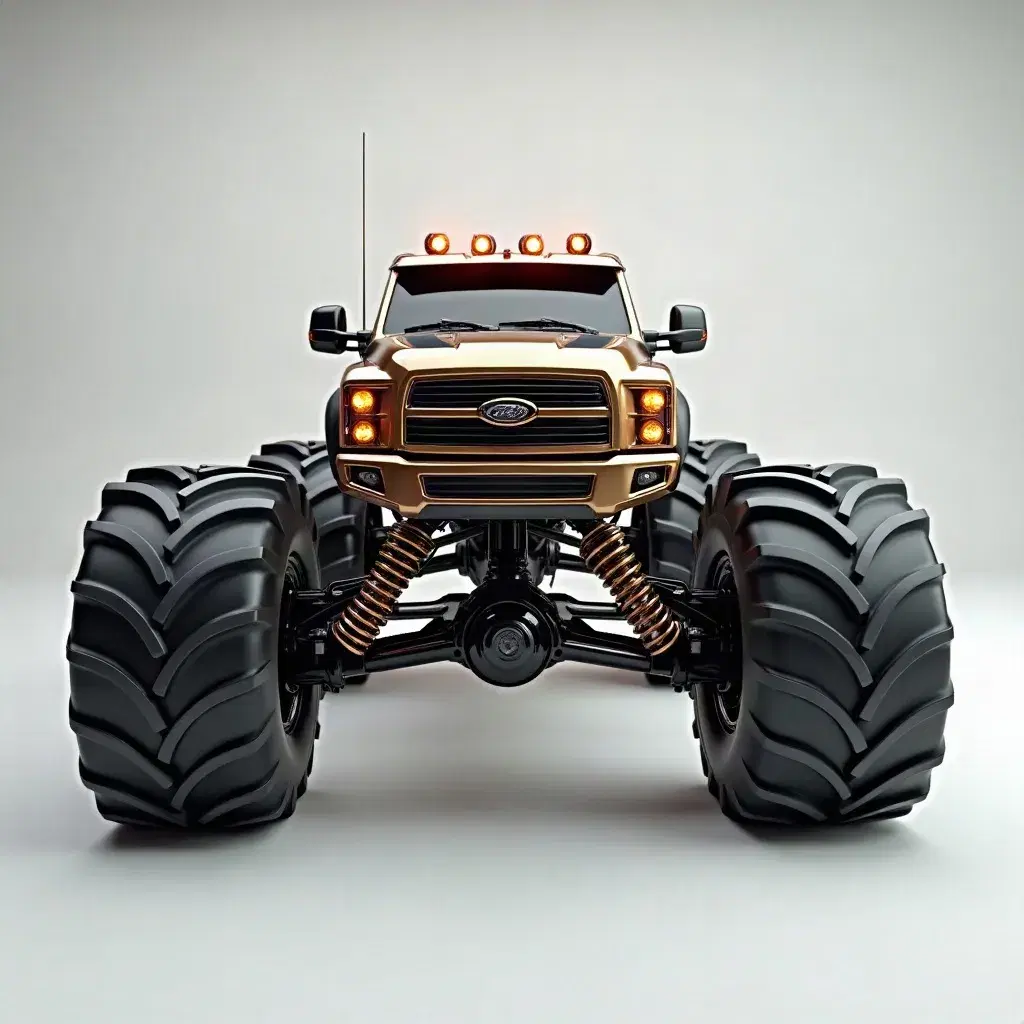 Monster truck13.69 cr
- 1930s hot rod13.69 cr
Where it fell short: it copies what the picture is described as, not the picture itself. The buggy was a toy, the description never said so, and the four came back full-size. The whole run →
Upload one thing you like. Get the rest of the set.
Drop in a picture of something you like and the line makes more things in the same look. One toy buggy in; a rally car, a van, a monster truck and a hot rod out — each as a picture and a 3D model.
Built for prototypes and games where everything looking like it belongs together matters more than any one piece being perfect.
see a real Style Match run, and where it fell short →The files land in your repo.
The run’s own delivery step commits each finished file to the GitHub or GitLab branch you name — next to the rest of your game, with its history. Nobody downloads anything or copies it over.
Style Finder and Style Match made seventeen commits into a Unity project that way — pictures, 3D models and a spoken line, nothing placed by hand.
Plugins that bring runs straight into Unity, Godot, Blender and Unreal are being tested, and not yet published. What exists
see both runs, and where they fell short →See what every step cost.
Here is one real run, line by line: what each step made, which model made it and what it charged. Before you run anything you see an estimate; after, the real charge — and where a run fell short, we say so.
What went in
“Aelin, a half-elf ranger in weathered brown leather with a green hooded cloak, dark hair with one white streak, a scar through the left eyebrow, sharp green eyes, a longbow on her back.”
Some of what came out
- The look
- Back
- Icon
Thirteen assets in all — every one on Discover with the step that made it.
What each step charged
- Nine images, 3.25 eachFLUX.1 [dev] on Fal29.25
- Icon cutoutBiRefNet on Fal0.65
- 3D meshTripo19.50
- RigTripo16.25
- Walk animationTripo6.50
- Voice lineElevenLabs0.29
A credit is a cent — about $0.72.
Where it fell short: the 3D model is heavy — 101,050 triangles, far over a mobile budget — and nobody checked the rig or the walk beyond the steps finishing. Everything that fell short →
Works without the UI
Any HTTP client — a CI job, a Unity editor script, an agent like Claude Code — starts a run with a team API key via POST /api/v1/workflows/:id/runs. Same audit trail, no browser — though from code, image steps run on your own Fal or Replicate key for now. AI agents that speak MCP can connect too — that server is new as of October.
No subscription required
Credits from $5, spent step by step. Each run shows what every step cost — estimated before, charged after. No seat fee. A monthly plan is optional: it adds bonus credits and more storage.
browse real outputs on app.sushibelt.ai →Real runs, charged at real prices.
- Assets for a game
Character kit — one brief, thirteen assets
One paragraph about a half-elf ranger became thirteen assets of one character, for 72.44 cr in one run.
Read the case study → - Assets for a game
Style Finder and Style Match
One brief through five image models, and one reference image into four matching vehicles — 43.98 cr and 54.88 cr, committed into a Unity project.
Read the case study →
Want in?
The beta is invite-only, and we let teams in a few at a time. Leave your email and we’ll send an invite when one is free.
We only use it for the invite. Privacy